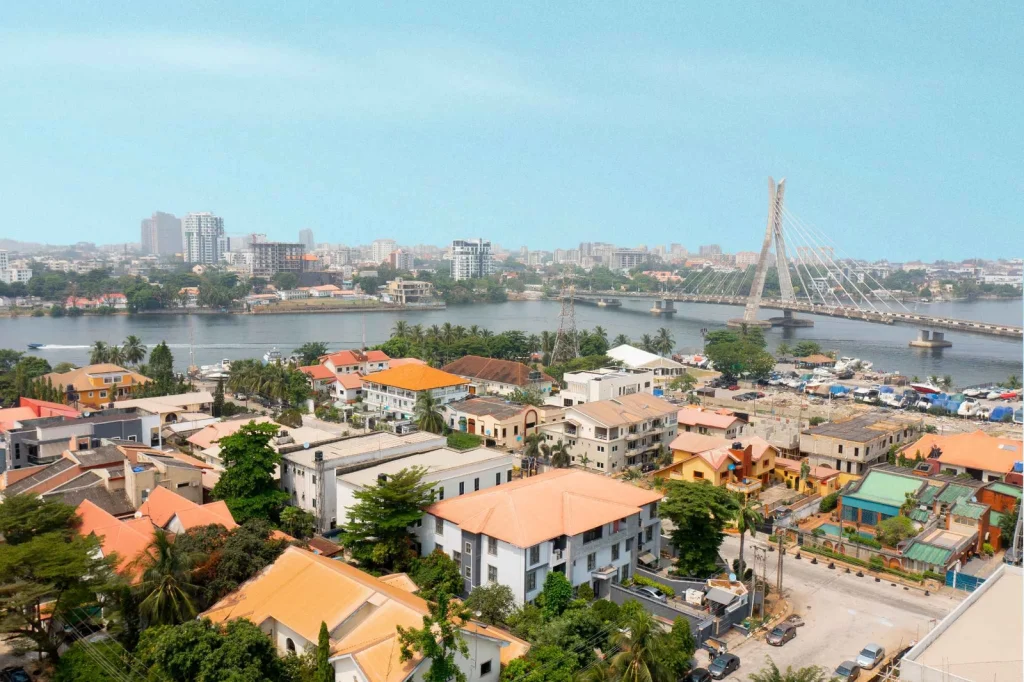
Lekki is no longer just a luxury address in Lagos ,it has become one of the most important real estate investment corridors in Nigeria. Over the past decade, the region has experienced an unprecedented infrastructure boom that continues to push property values higher every year.
From highways to deep seaports, refineries, tech clusters, and smart urban projects, Lekki is undergoing the kind of structural transformation that instantly changes real estate demand. While factors like population growth and lifestyle appeal contribute to its rising value, they are secondary. The real reason property prices in Lekki keep climbing is simple: infrastructure development.
Why investors are rushing into the Lekki axis, and what the next 5–10 years mean for anyone buying land or property in the area.
What Is Really Driving Lekki’s Rising Property Value?
The growth of Lekki’s real estate market is not accidental. It is the result of deliberate investment in major infrastructure that improves accessibility, accelerates commercial activities, and enhances overall lifestyle quality.
Here’s how infrastructure fuels property appreciation:
- Better access: Roads, bridges, and highways make Lekki more connected to the rest of Lagos.
- Commercial expansion: Businesses, industries, and international companies move in once infrastructure improves.
- Lifestyle improvements: Modern drainage, smart estates, schools, malls, and hospitals push more people to relocate.
- Investor confidence: A well-structured district with planned development attracts long-term real estate investors.
Every new road, rail, seaport, or industrial project in Lekki directly increases the value of surrounding land and property. This is why investors who bought properties at ₦40m–₦80m ten years ago are now selling for ₦250m–₦500m and prices keep rising.
Key Infrastructure Projects Powering Lekki’s Real Estate Boom
Below are the major projects responsible for the massive appreciation happening across the Lekki corridor.
1. Lekki–Epe Expressway Expansion
The dualization and ongoing expansion of the Lekki–Epe Expressway remains one of the most important catalysts for property appreciation. This road links Victoria Island to the entire Lekki–Epe axis, making daily movement easier and driving commercial and residential growth.
Before its development, many areas along the corridor were considered far. Today, Sangotedo, Abijo, Awoyaya, Lakowe, and Epe have turned into high-demand zones, with land prices rising by over 300% in some locations.
2. Lekki Deep Seaport
The Lekki Deep Seaport, now operational, is the largest deep seaport in West Africa. It is expected to handle millions of containers annually and boost Nigeria’s logistics, manufacturing, and maritime sectors.
Its impact on real estate includes:
- Rapid job creation
- Increased shortlet and rental demand
- Rising commercial property interest
- Massive land value appreciation in the Ibeju-Lekki and Eleko axis
No other project has drawn as much international attention to the Lekki corridor in recent years.
3. Dangote Refinery & Petrochemical Plant
Located in the Lekki Free Trade Zone, the Dangote Refinery is the largest single-train refinery in the world. Its presence has transformed the region into an economic powerhouse.
Effects on property:
- Thousands of staff and contractors require accommodation
- Increased business activity across the corridor
- Higher rental income for investors
- Continuous rise in land and housing costs
The refinery alone has contributed significantly to the migration and development pattern of the Lekki area.
4. Lekki Coastal Road
Often referred to as Lagos’ future coastal highway, this project will link Victoria Island to Ibeju-Lekki while providing alternative access to major business districts.
Once completed, property along the coastal line is expected to experience exponential growth. Already, estates along the coastal road axis have begun to appreciate faster than surrounding areas.
5. Fourth Mainland Bridge (Upcoming)
Even in its proposed phase, the Fourth Mainland Bridge is influencing investment decisions. This mega bridge will connect Lekki directly to Ikorodu, Lagos Mainland, and other parts of the state.
Its long-term benefits include:
- Reduced traffic load on current highways
- Cross-city accessibility
- Rising property demand in Lekki, Ibeju-Lekki, and Epe
For many investors, buying before construction begins is the real opportunity.
6. Lekki Free Trade Zone (LFTZ)
The LFTZ is a government-backed international business district modeled after Dubai’s Jebel Ali Free Zone. It is home to manufacturing plants, logistics companies, tech industries, and multinational firms.
What this means for real estate:
- Yearly population growth
- High rental and staff housing demand
- Appreciation of land around the zone
- Increased commercial real estate activity
The Free Trade Zone is one of the biggest reasons developers consider Lekki the future commercial capital of Lagos.
Population Growth and the Demand Surge in Lekki
Lekki’s population is one of the fastest-growing in the country. Its reputation as a clean, modern, well-planned area continues to attract:
- Working professionals
- Business executives
- Expatriates
- Young families
- Entrepreneurs
More people means more demand for land, housing, rentals, and short-term accommodations. This consistent demand keeps prices rising across all segments of the market.
The Rise of Smart Estates and Modern Urban Planning
Another reason Lekki stands out is its modern development model. Unlike older parts of Lagos, many estates in Lekki are master-planned, technologically equipped, and built for long-term sustainability.
Features include:
- Fiber optic internet
- Solar and hybrid power systems
- Smart home features
- Security and surveillance systems
- Green and eco-friendly layouts
- Recreational parks and walkways
These modern elements appeal to upwardly mobile buyers who are willing to pay premium prices for convenience and lifestyle.
Why Investors Are Rushing Into Lekki
✔ High ROI on Land and Housing
Many parts of Lekki, especially Ibeju-Lekki and Epe, offer annual appreciation of 20%–40%.
✔ Strong Rental and Shortlet Market
Lekki is a top-performing rental market in Lagos, especially around Chevron, Ikate, and Sangotedo.
✔ Stable, Long-Term Growth
With ongoing infrastructure delivery, Lekki offers predictable long-term ROI.
✔ Variety of Investment Options
From land banking to luxury apartments, commercial buildings, terraces, and shortlets—Lekki has opportunities for every investor type.
Fastest-Growing Areas in the Lekki Corridor
Here are the sub-markets experiencing the highest appreciation:
- Lekki Phase 1 – luxury and high-demand rentals
- Ikate / Osapa – shortlets, apartments, and high-income residents
- Chevron Drive – family estates and modern developments
- Ajah–Sangotedo – mid-income residential boom
- Abijo–Awoyaya – rapidly expanding with new estates
- Ibeju-Lekki – land banking hotspot
- Epe – emerging commercial and residential capital
Each of these areas benefits directly from ongoing infrastructure projects.
The Next 5–10 Years: What to Expect in Lekki
The outlook for Lekki remains extremely positive. As more infrastructure is completed, Lekki is expected to become:
- A major business district
- Nigeria’s new industrial hub
- A global investment destination
- The most valuable real estate corridor in West Africa
If the current development pattern continues, property prices may double or triple within the next decade.
Infrastructure Is the Heart of Lekki’s Real Estate Growth
Lekki’s rising property values are not a coincidence—they are the result of massive, well-planned infrastructure development. Every new project boosts demand, strengthens investor confidence, and pushes prices higher.
For anyone looking to invest in Lagos real estate, Lekki remains one of the safest, most profitable, and forward-moving markets in the country. With more mega-projects underway, the best time to buy remains now, while prices are still climbing.
Leave a Reply